
Custom Dining Room Ideas by Senior Interior Designers
Dining room projects sized for how you eat and entertain. From formal tables to open-plan zones, every project covers chandelier placement, table proportions, and chair spacing, and you see every angle in 360 VR first.
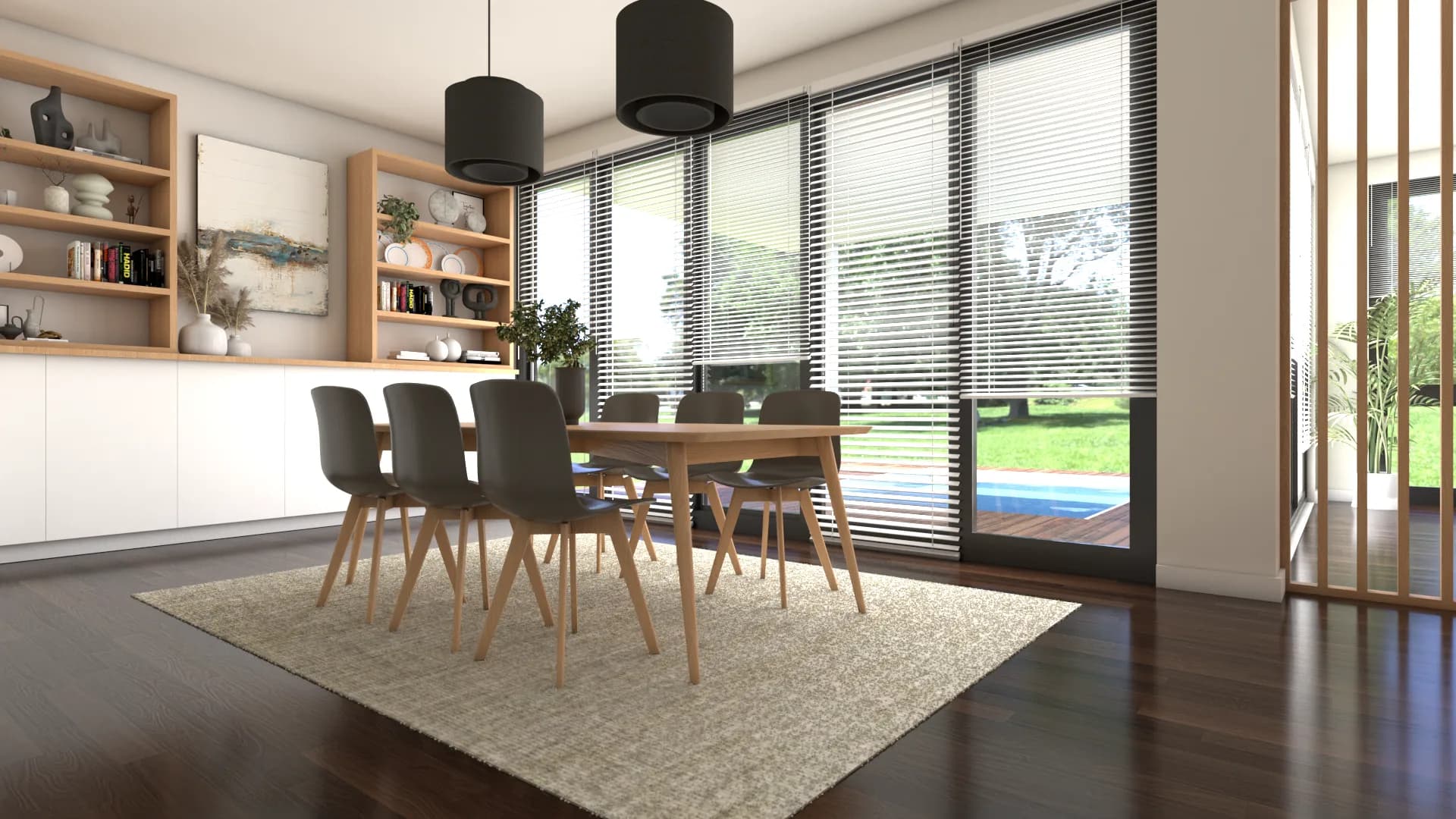
Oak Slat Pool View Dining
Open dining room with oak table, gray shell chairs, and drum pendants. Pool visible through floor-to-ceiling g
View project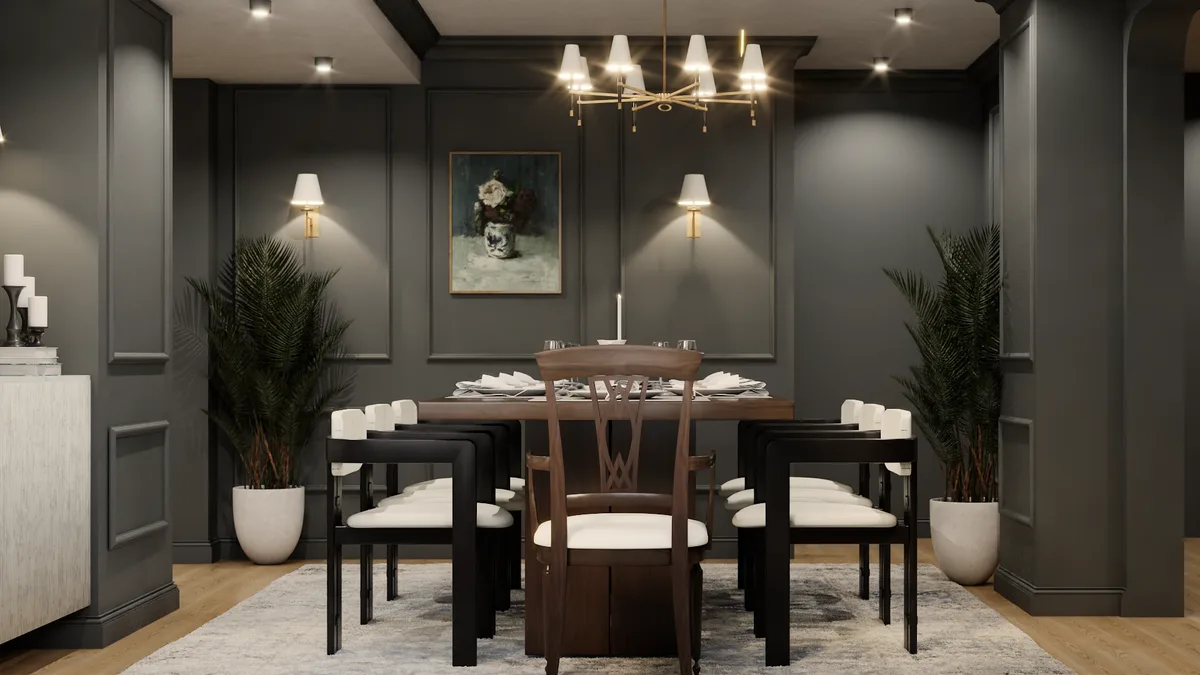
Charcoal Panel Brass Dining
Charcoal paneling and walnut table anchor a formal dining room. Brass chandelier adds warmth.
View project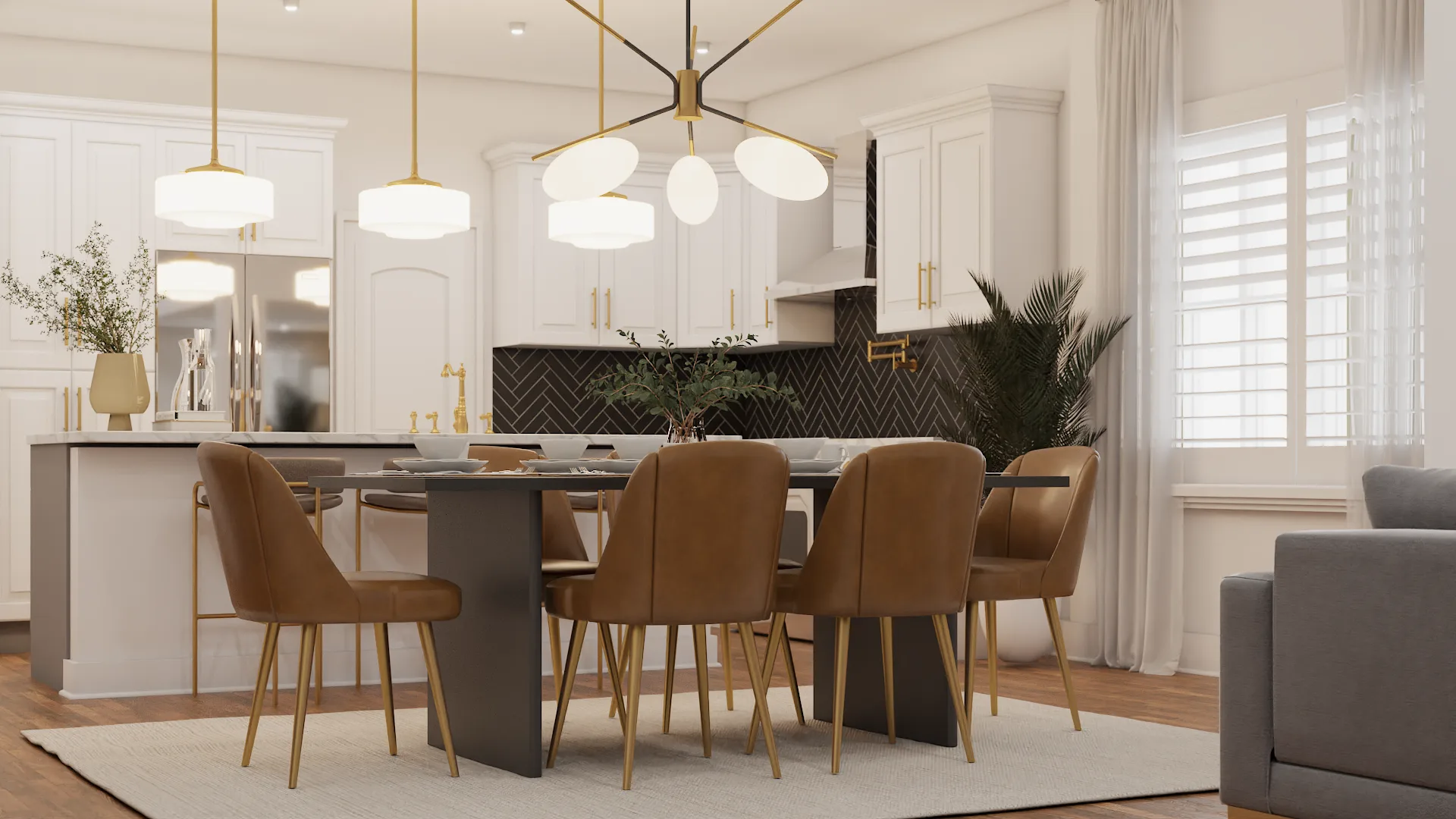
Cognac Leather Brass Dining
Dark slate table, cognac leather chairs on brass legs. Sputnik chandelier over open kitchen.
View project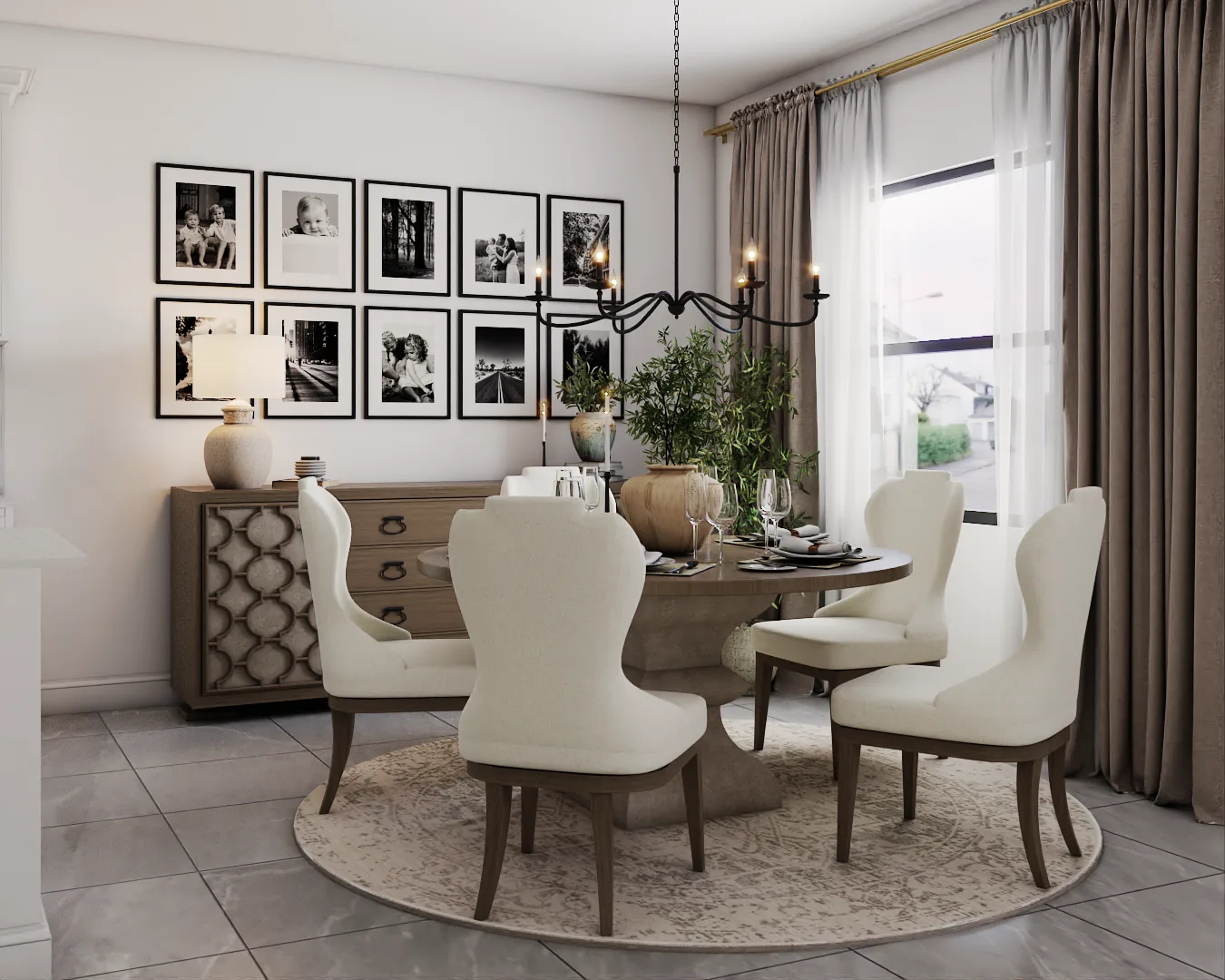
Pedestal Table Gallery Wall
Round dark pedestal table, cream wingback chairs, iron chandelier, and B&W gallery wall.
View project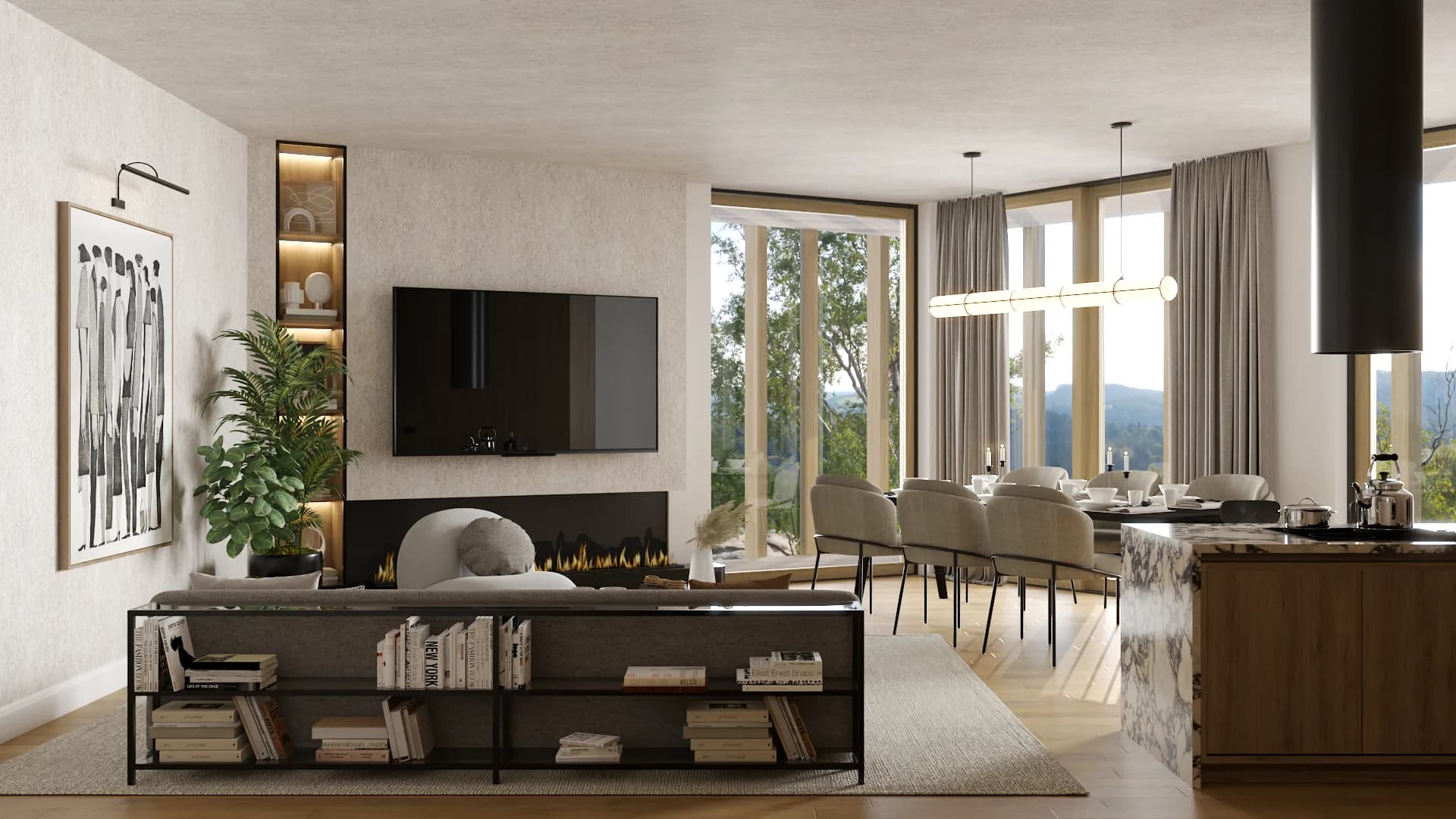
Fireplace Console Open Plan
Console bookcase divides the plan. Fireplace wall and mountain windows frame the dining zone.
View project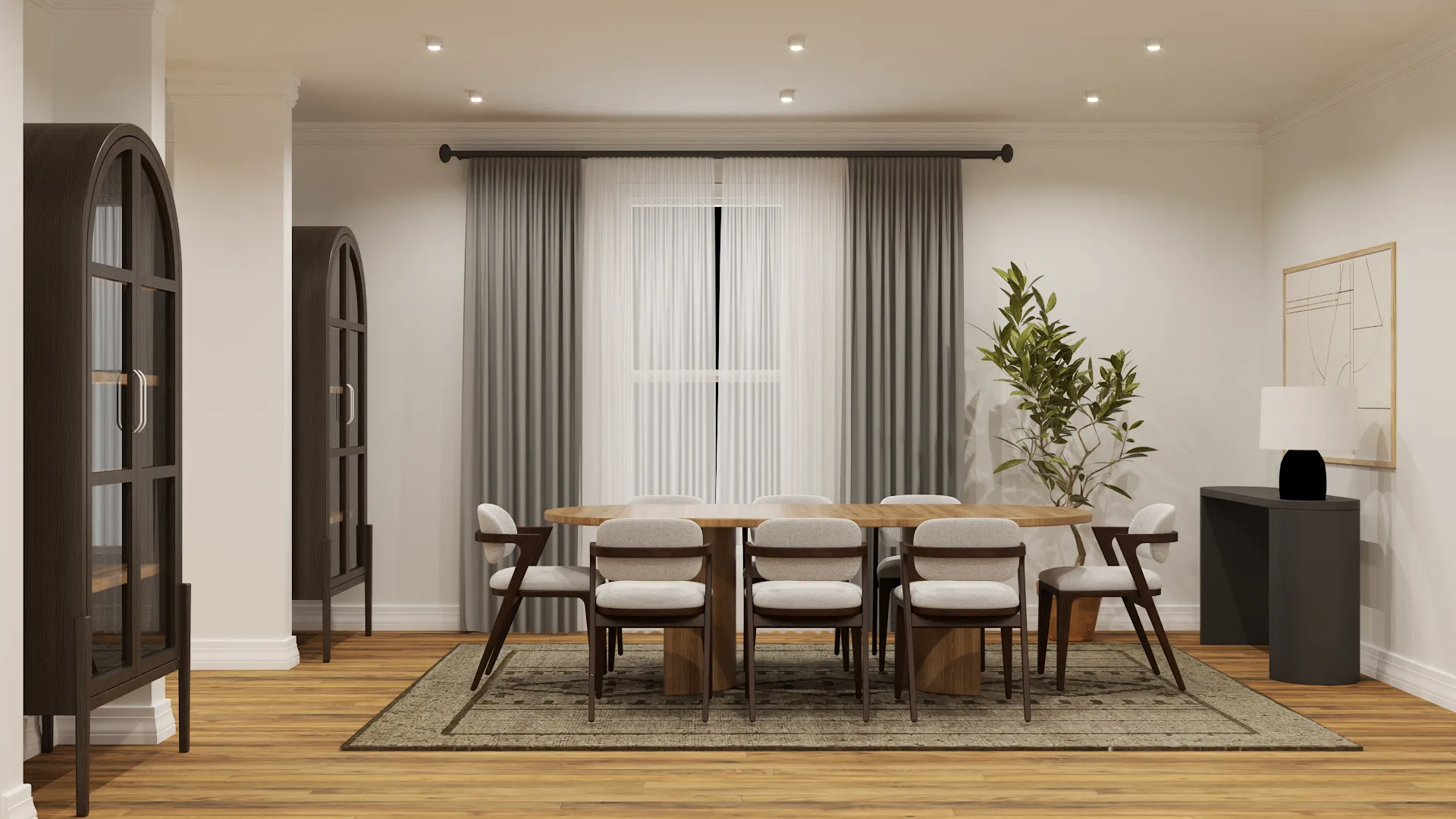
Walnut Oval Arch Dining
Paired arched dark cabinets frame a walnut oval table. Cream chairs and gray drapes balance the dark display.
View project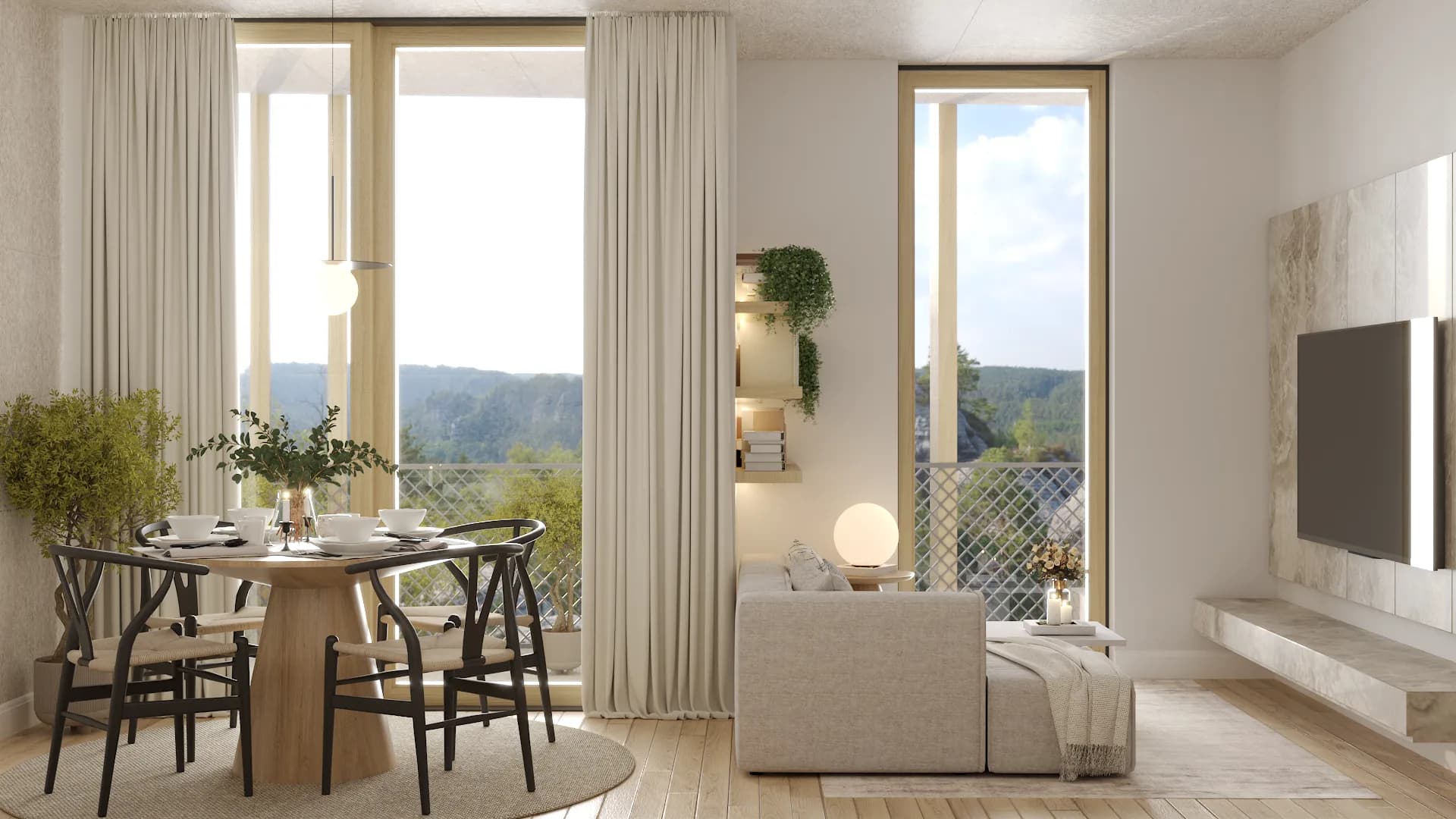
Window-Side Oval Dining Room
Oval oak table and Wishbone chairs sit beside floor-to-ceiling windows with a forest view. Linen curtains and plaster walls keep the mood calm.
View project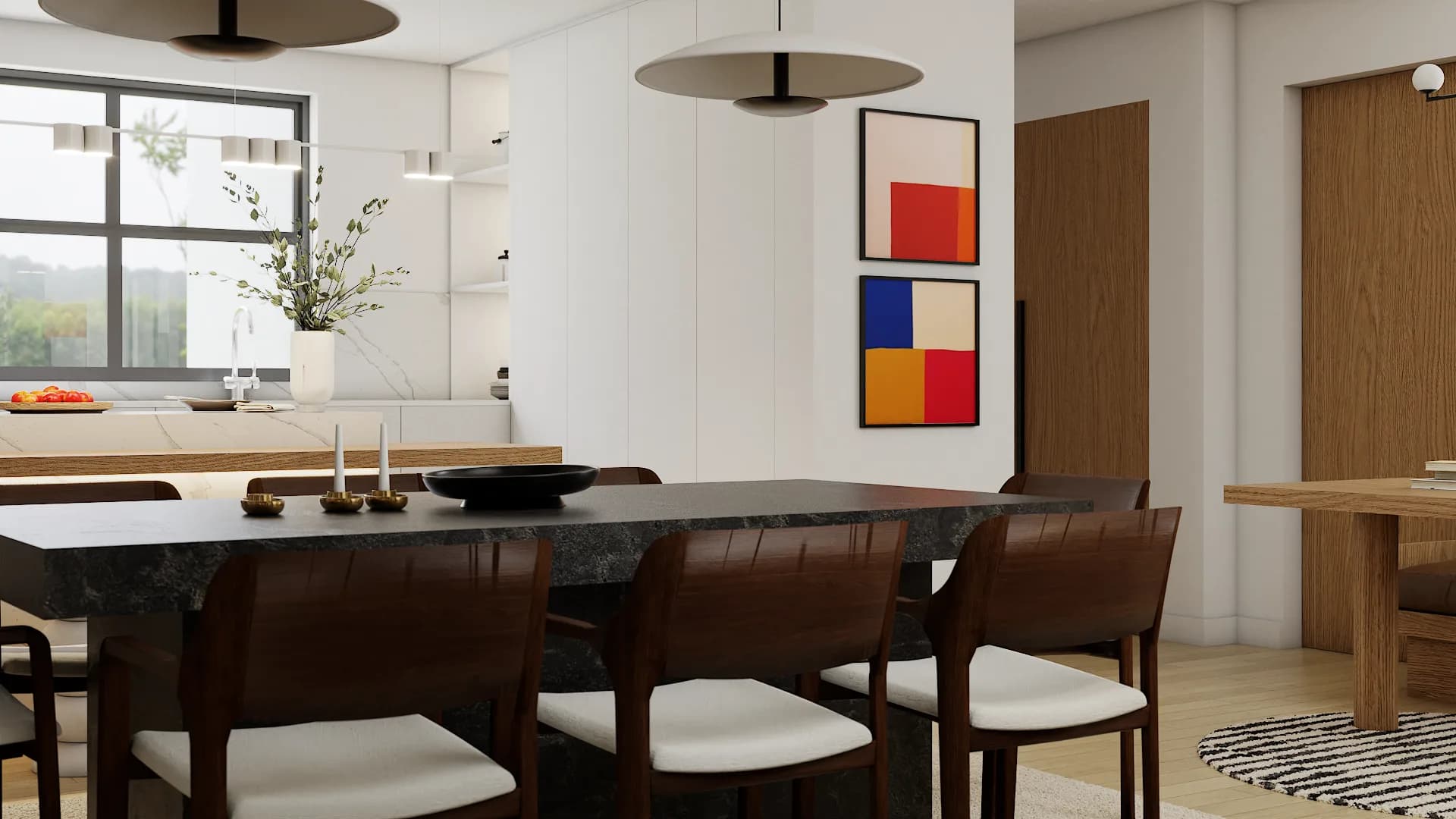
Dark Marble Mondrian Dining
Dark marble table and walnut chairs anchor an open plan with Mondrian art, oak banquette, and wine bar.
View project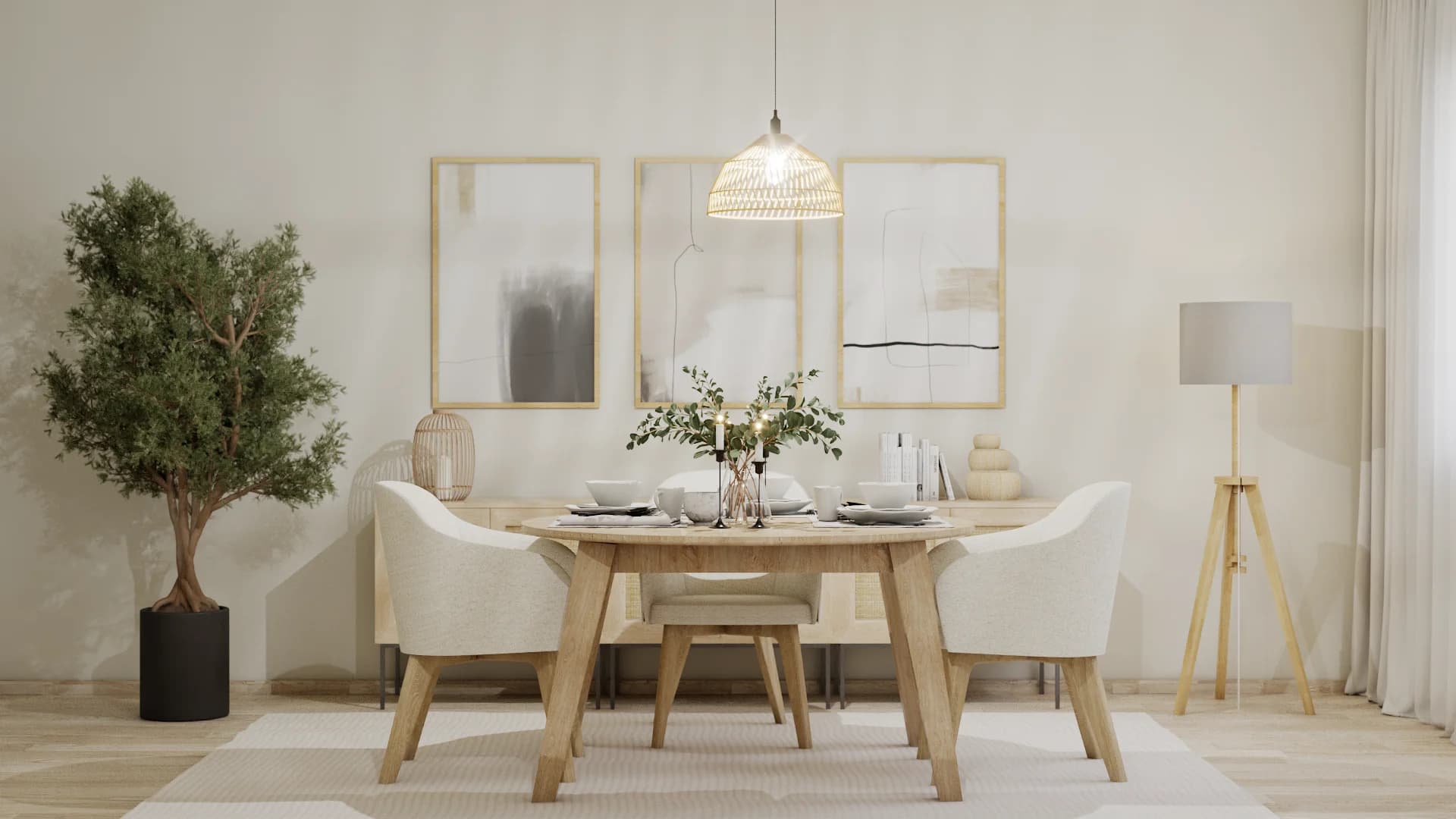
Rattan Pendant Dining Room
Oak dining table with cream linen chairs under a rattan dome pendant. Warm neutral palette.
View project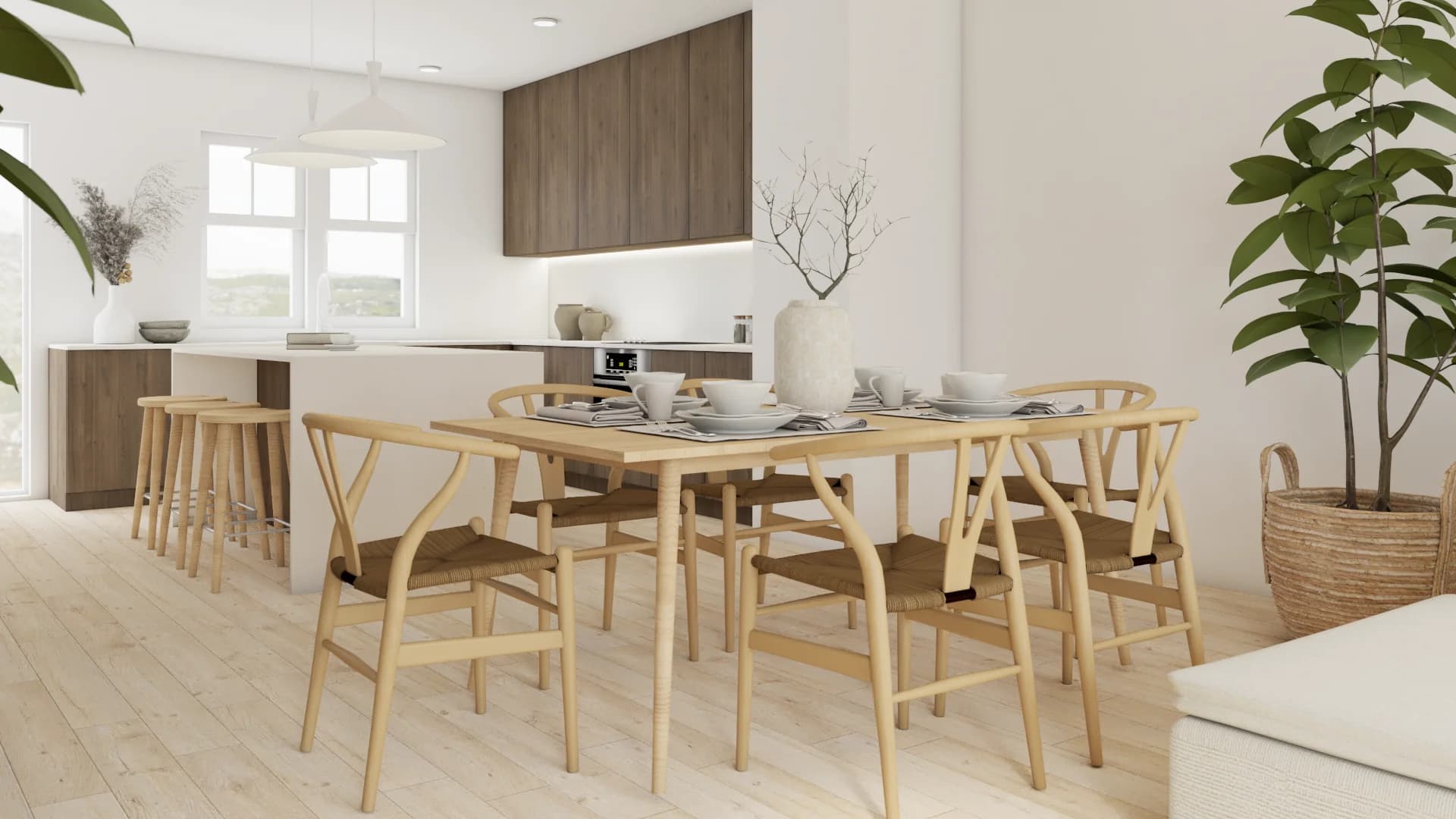
Wishbone Chair Oak Dining
Light oak wishbone chairs surround a matching table with dark wood upper kitchen cabinets.
View project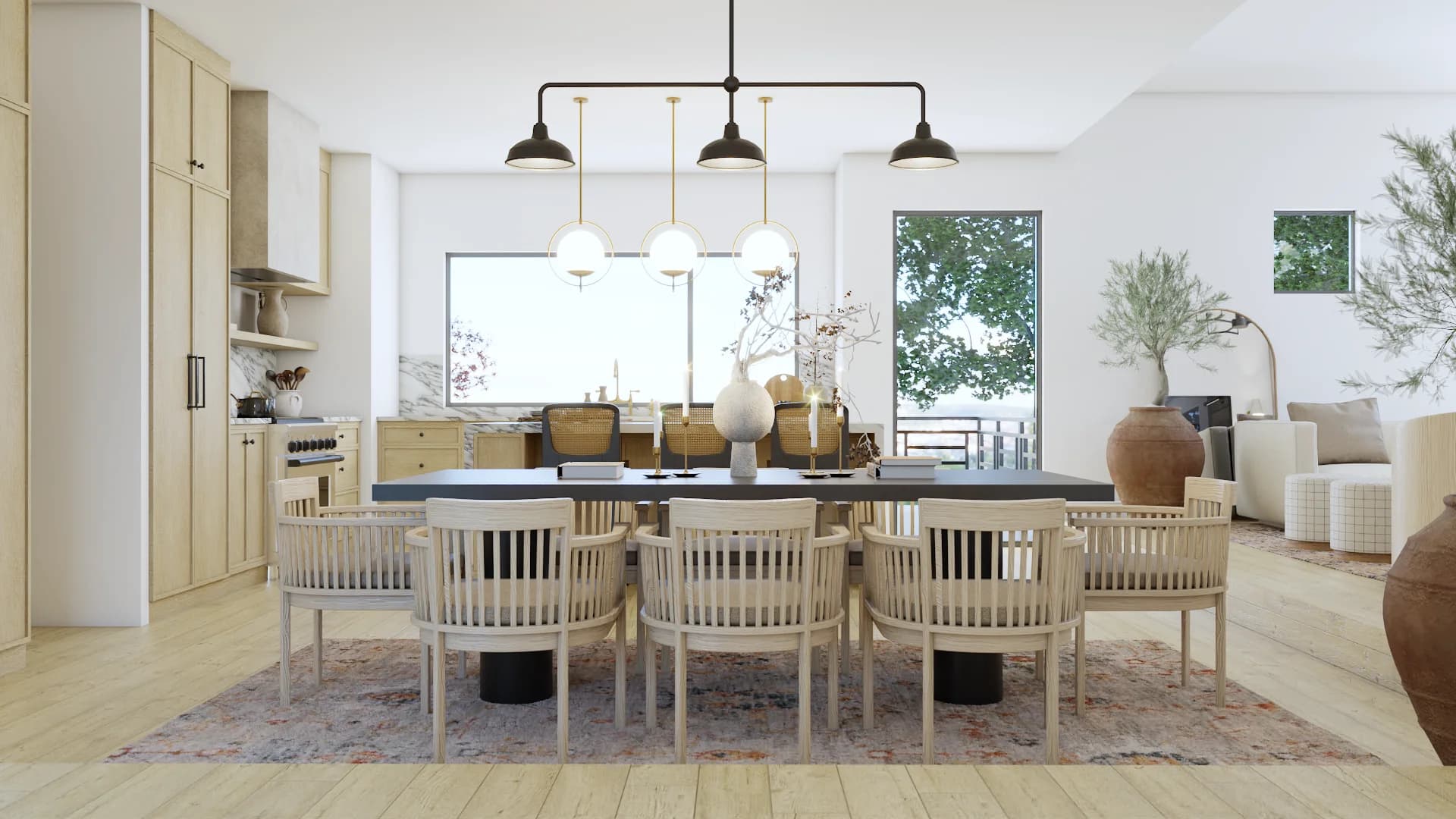
Charcoal Oak Open Dining
Charcoal table anchors a bright open-plan dining space. Oak floors and ceramics add warmth.
View project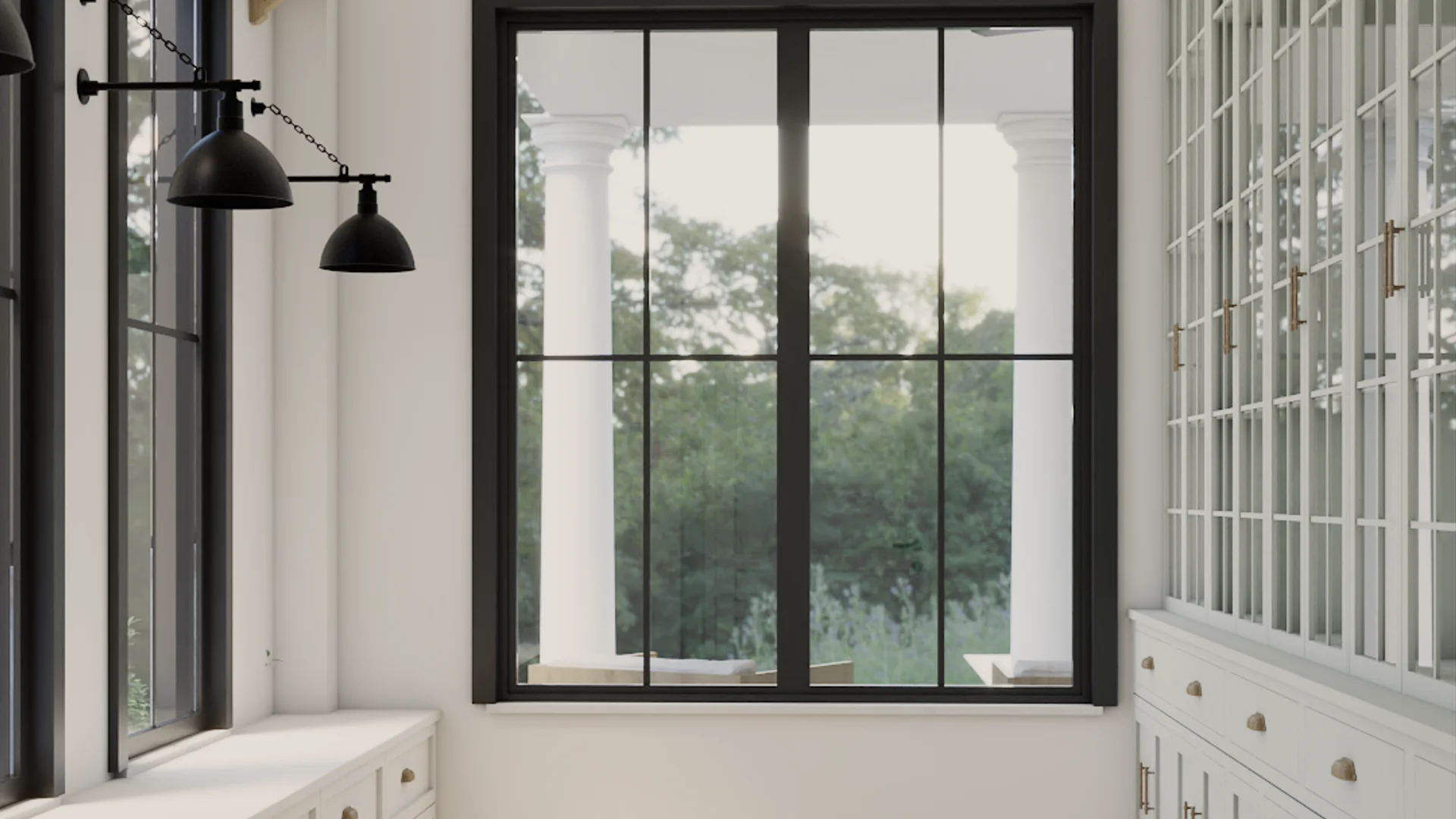
Built-In Storage Window Bench
Dining room storage wall with built-in benches, glass-front cabinets, and dome swing-arm sconces.
View project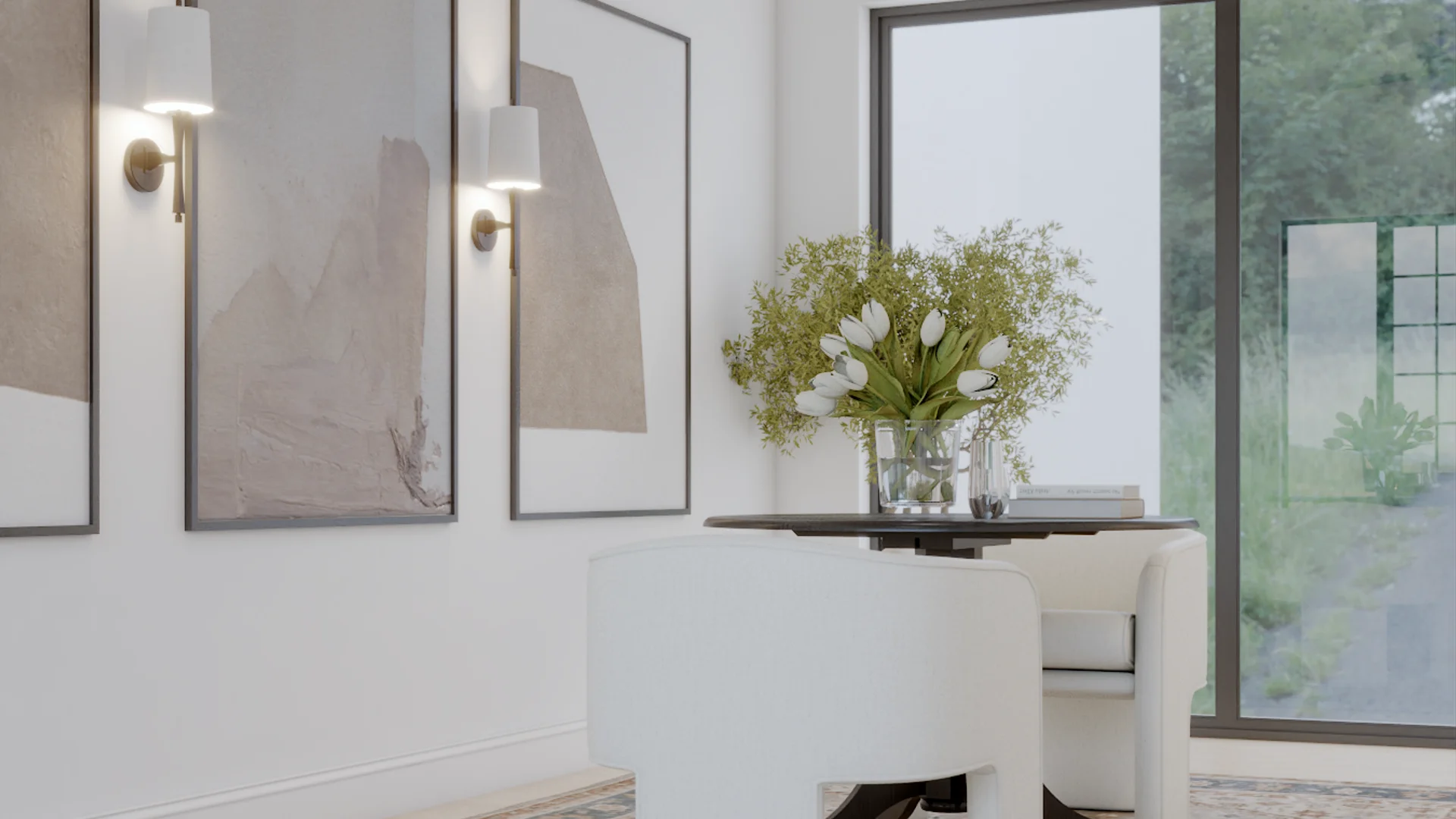
White Plinth Table Corner Nook
White round plinth table with a curved bench in a corner. Brass sconces frame abstract art by a garden door.
View project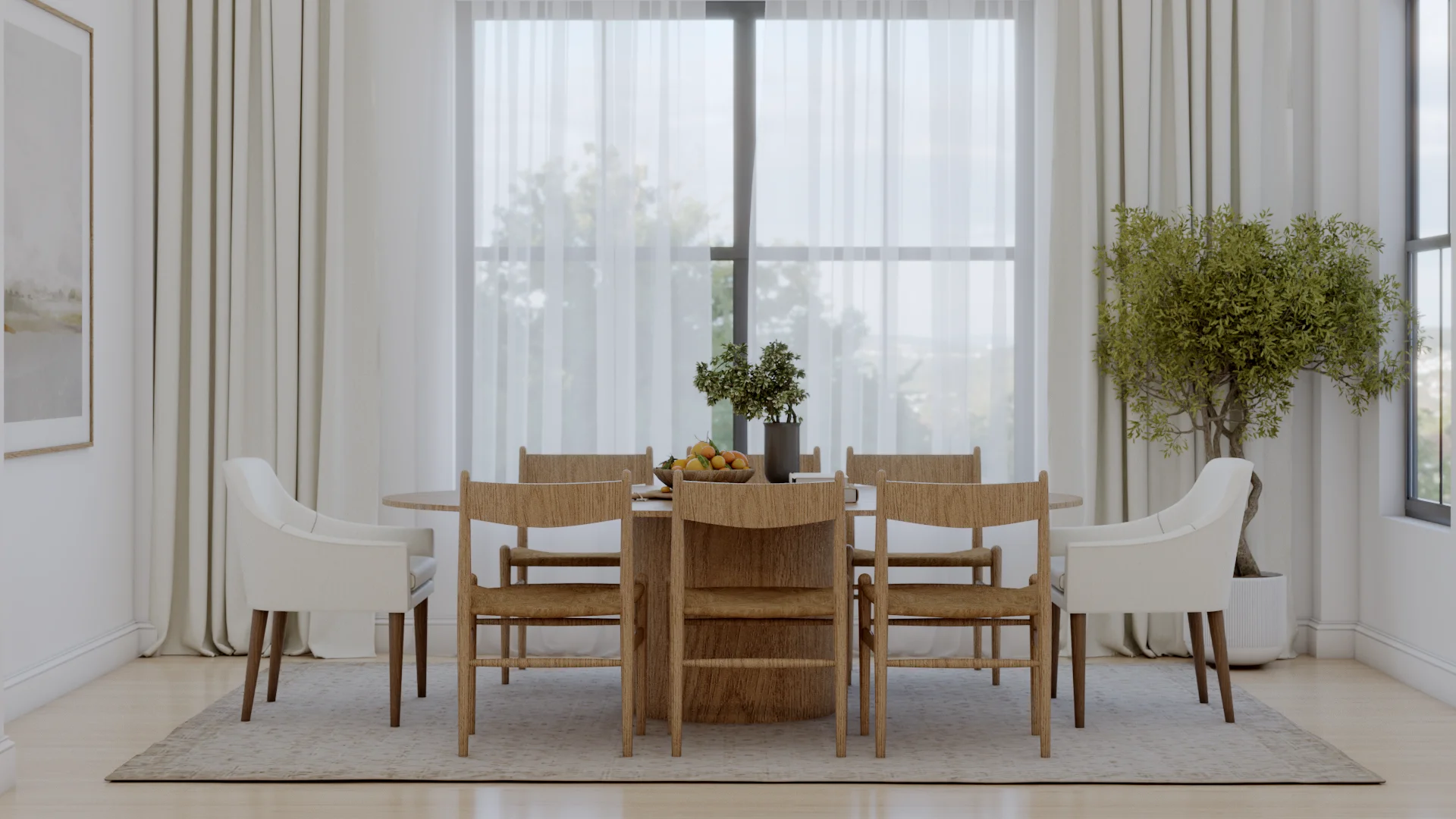
Oval Oak Table Sheer Dining Room
Oval oak table with rush-seat ladder-back chairs and white end armchairs. Floor-to-ceiling ivory sheers.
View project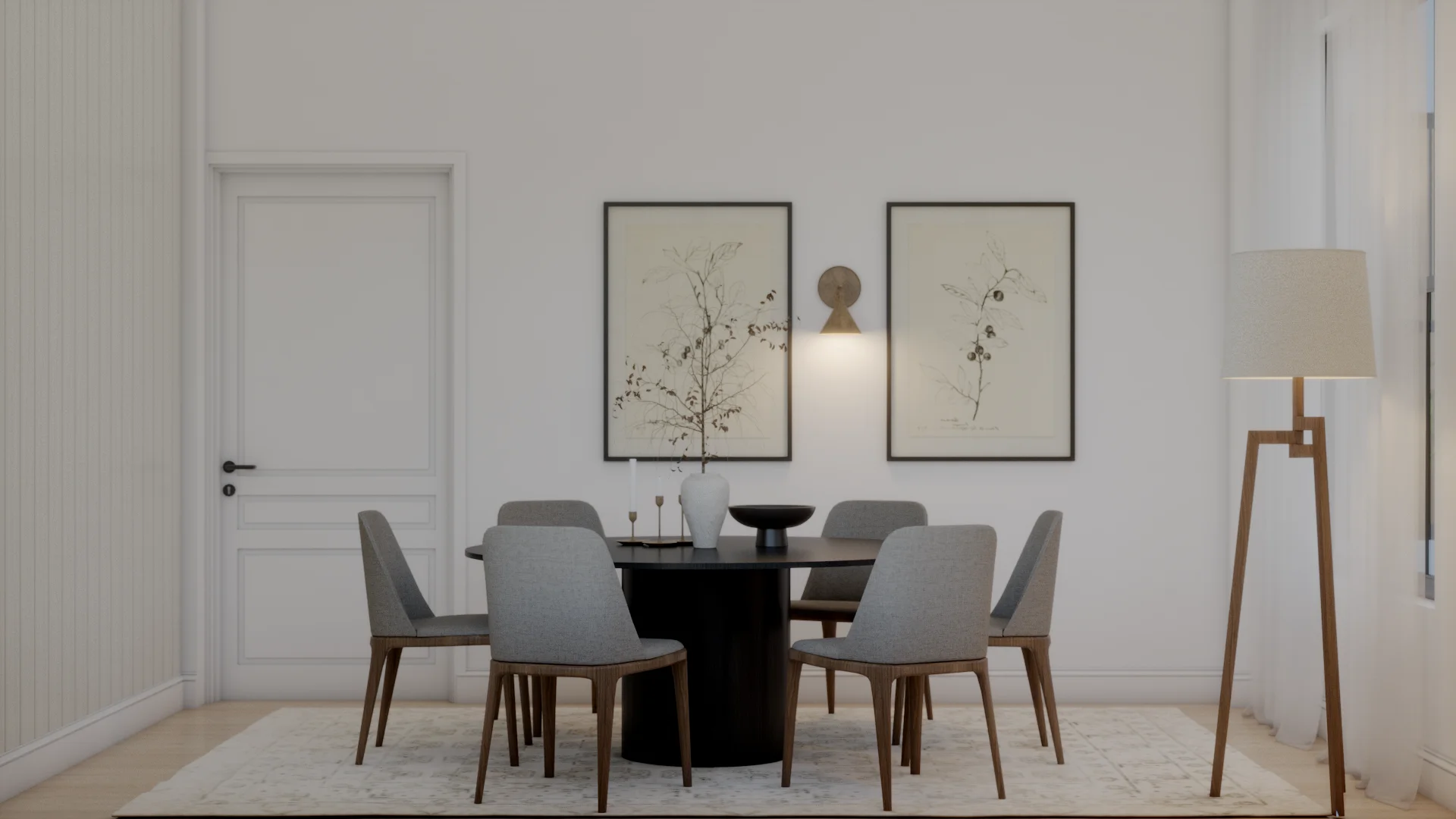
Black Round Table Dining Room
Black pedestal table with six gray chairs on walnut legs. Cream rug, white paneling, brass sconce.
View project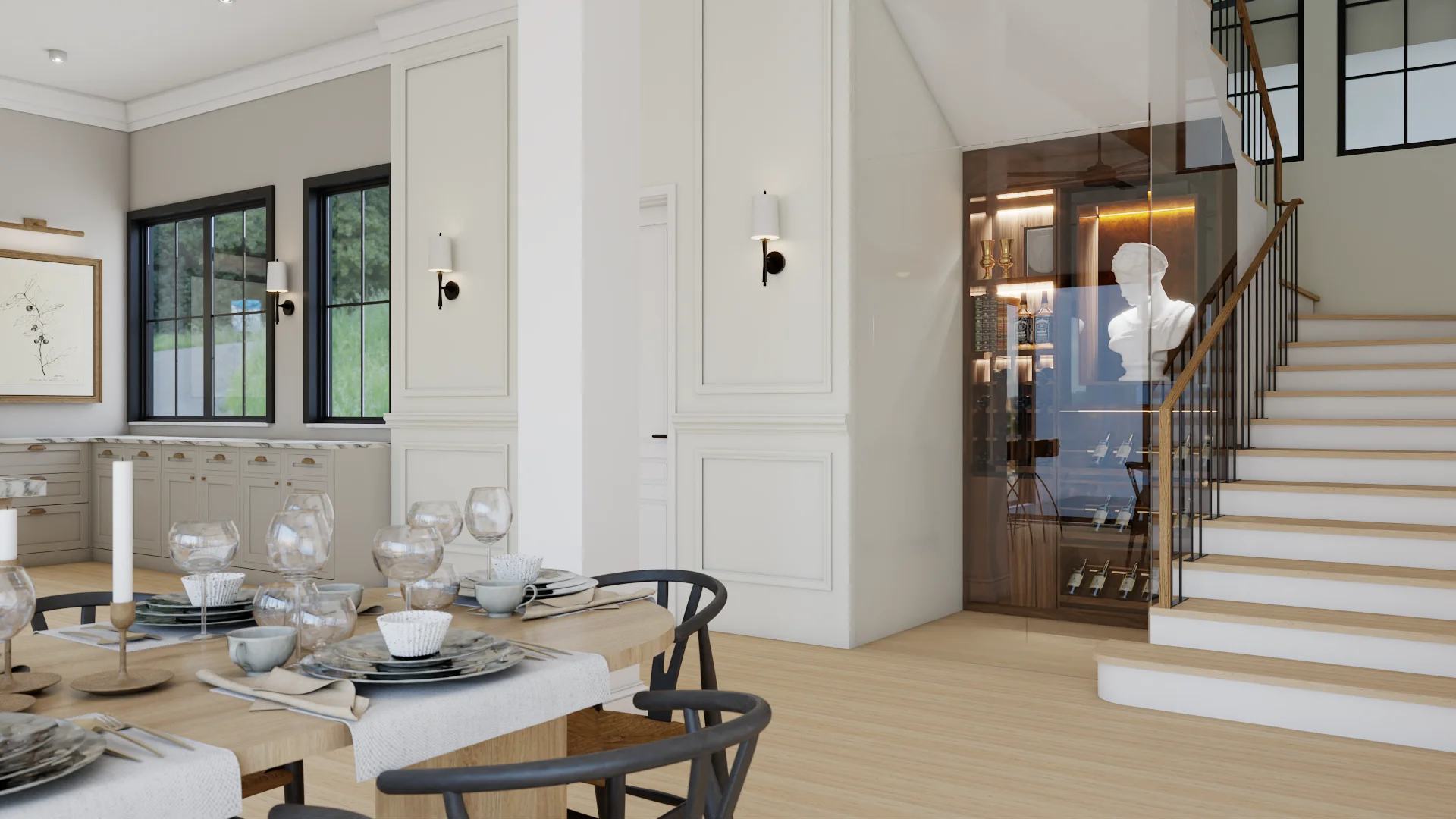
Open Plan Wishbone Chair Dining
Open-plan dining with black wishbone chairs, oak plinth table, and brass dome kitchen pendants.
View project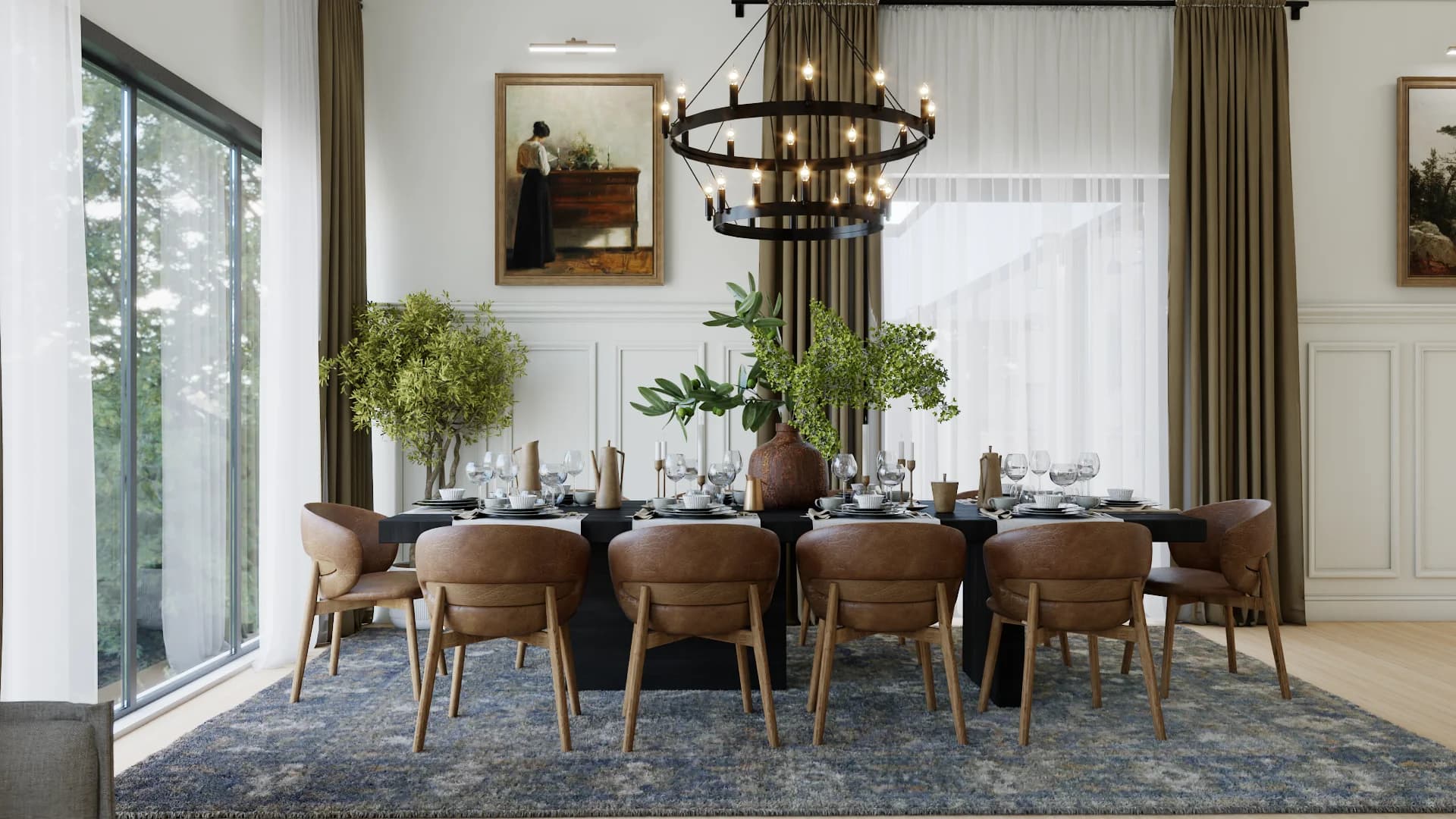
Formal Leather Chandelier Dining
Ten-seat formal dining with leather barrel chairs, iron ring chandelier, and olive drapery.
View projectExplore Other Room Types
About This Room Type
Dining Room Design Ideas
Dining room design is proportion math. Table size relative to room dimensions, chandelier diameter relative to table width, and rug size relative to chair pushback all follow specific ratios. Get one wrong and the room feels off.
Browse formal dining rooms, open-plan dining zones, banquette seating solutions, and breakfast nook conversions. Each project shows the dimensional relationships that make a dining area work for both daily meals and hosting.
Explore Our Services
From concept to curated shopping list, we handle everything virtually.
Learn about our dining rooms design serviceDesign Tips
Dining Room Design Tips
Size Your Chandelier to the Table
The chandelier diameter should be half to two-thirds the width of your table. Hang it 30-36 inches above the table surface. Too small looks lost; too large overwhelms. We specify the exact fixture dimensions in every dining room project.
Leave 42 Inches From Table to Wall
You need 42-48 inches from the table edge to the nearest wall for chairs to push back comfortably. Less than 36 inches and guests feel trapped. This clearance rule determines your maximum table size.
Choose Round Tables for Small Rooms
A 48-inch round table seats four and takes less visual space than a rectangular table in rooms under 12x12 feet. Round tables also eliminate "head of table" dynamics and improve conversation flow.
Use a Rug Large Enough for Pushed-Back Chairs
All chair legs must stay on the rug when guests are seated and when chairs are pushed back. An 8x10 rug works for most 6-seat tables. Undersized dining rugs are one of the most common design mistakes.
Planning Guide
Dining Room Decisions
Open Plan or Separate Room
Open-plan dining areas need visual boundaries (a rug, a pendant cluster, a banquette wall) to feel like a defined zone. Separate dining rooms have more wall space for storage like sideboards and china cabinets.
Daily Meals vs. Hosting
A family dining table needs durable, wipeable surfaces for daily use. A formal dining room used mainly for hosting can prioritize aesthetics. Most of our projects serve both purposes with protective table pads and washable chair fabric.
Expandable Table Needs
If you host large gatherings occasionally, an extension table saves space daily while accommodating 8-10 seats when needed. We verify that the expanded size still fits the room with proper clearance.
Storage for Dishes and Linens
A sideboard or built-in hutch keeps serving dishes, table linens, and candles accessible for hosting without cluttering the table surface. We include storage placement in every dining room floor plan.
Common Questions
Frequently Asked Questions
Want This Look in Your Home?
Book a free consultation and we will help you recreate this design tailored to your space and budget.
Want a Dining Room Like This?
Our senior interior designers can create a custom design tailored to your space and style. Start with a free consultation.