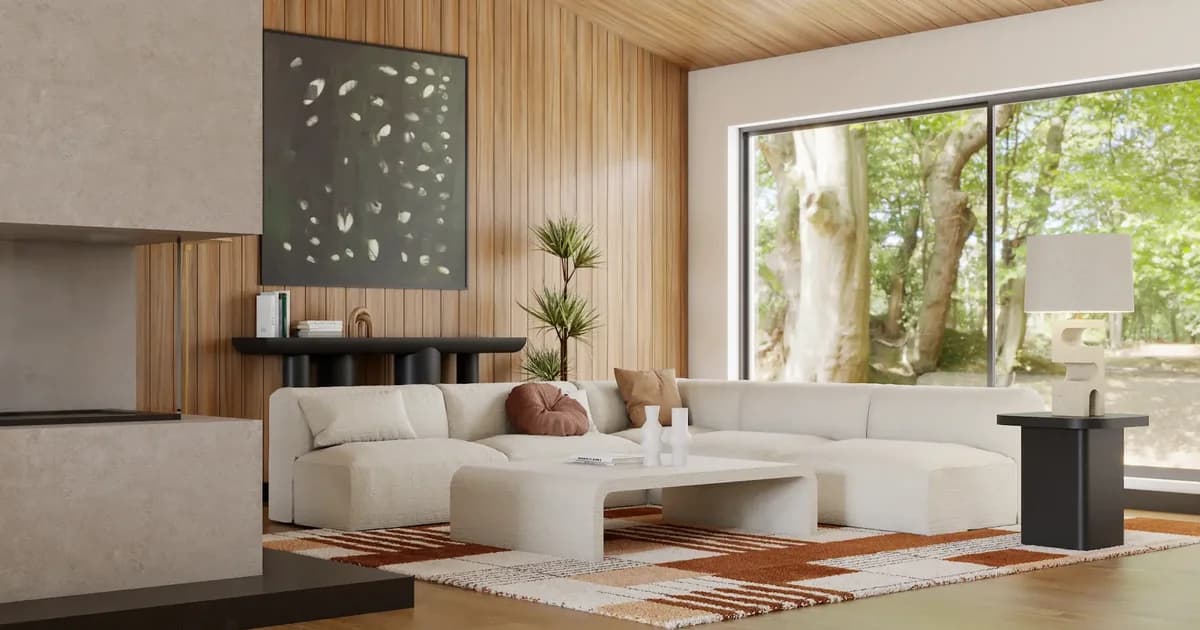
What Is Online Interior Design & How Does It Work?
When someone asks me what I do for a living, I tell them I transform rooms, entire homes, and businesses without ever stepping foot inside them.
I am an interior designer, but I work entirely online. No house visits. No driving to showrooms with fabric swatches in hand. No overseeing furniture deliveries.
After completing over 2,000 projects across all 50 states, I can tell you that online interior design has fundamentally changed how people approach designing their homes. I study photos of your room from my desk, then create 3D visualizations so realistic that you can virtually walk through your redesigned space before spending a single dollar.
This guide walks you through how the process works and how to know if it is right for you. For pricing, see my breakdown of what interior designers actually cost.
What Is Online Interior Design?
Online interior design, sometimes called e-design or virtual interior design, is professional design work delivered through digital communication. As an online interior designer, I create room layouts, 3D visuals, floor plans, and shopping lists for clients I never meet in person. We work together through video calls and email. You receive a complete design package that you can use at your own pace.
This is not a watered-down version of interior design. Space planning, color choices, furniture selection, and layout work all happen with the same care as traditional services. Remote interior design simply changes how we deliver the work and who handles setup.
Design firms from boutique studios to celebrity-led companies like Studio McGee now offer virtual design alongside traditional services. The technology has matured so much that many clients actually prefer it. Seeing photorealistic renderings and 360-degree virtual tours before spending any money changes everything. Virtual services are capturing more market share each year as remote work normalizes and clients discover the convenience of designing their homes without scheduling site visits.
What Are the Benefits of Online Interior Design?
Before diving into the process, let me explain why this approach delivers results that often surprise people expecting a compromise.
Lower Cost, Same Creative Expertise
Traditional interior designers charge for site visits, travel time, ordering furniture, and overseeing installation. Those services have value, but they also make the price much higher.
With online interior design, you pay purely for the creative work. That means space planning, color expertise, furniture picks, and visual renderings. A $600 per-room investment gets you the same quality of design thinking that traditional clients pay $2,000 to $12,000+ to receive.
Hand-Crafted Designs
Every room I design is hand-modeled in SketchUp, built from scratch using your exact room dimensions. I place each piece of furniture manually, adjusting sizes and spacing until the layout works visually and practically. Then I render the scene to create photorealistic images that show exactly how your space will look.
This is not a template with your measurements plugged in. It is a custom design created specifically for your room, your needs, and your style.
See Before You Spend
The traditional approach asks you to imagine a room based on fabric swatches and floor plan sketches. You nod along, sign the contract, and hope it looks the way you pictured.
Online interior design flips this. You see photorealistic 3D renderings and walk through 360-degree virtual tours before purchasing a single piece of furniture. That chair you are uncertain about? Look at it from three angles. The paint color you are debating? See it on the walls with your natural light.
Clients consistently tell me this visualization capability is what convinced them to try online design. Seeing is believing.
Faster Turnaround
Traditional design projects often stretch across months. Scheduling site visits, waiting for samples, coordinating showroom trips, managing contractor timelines.
I deliver first concepts in about two weeks for single-room projects. Whole-home designs take closer to four weeks. From our initial consultation to a complete design package you can implement, the timeline is measured in weeks, not months.
Flexibility in Execution
Your design package is yours to implement on your own schedule. Purchase everything at once or spread acquisitions over six months as budget allows. Hire local help for specific tasks or tackle it yourself. The design does not expire.
This flexibility matters for real-life budgets. You are not locked into a designer's procurement timeline or minimum purchase requirements.
How Does the Process Work?
Every designer structures this differently, but here is how I work with clients. You can also visit my how it works page for a visual overview.
The Initial Conversation
We start with a free consultation, a video call where I learn about your project. What is frustrating you about the current space? How do you actually use it day-to-day? What styles resonate with you? What budget are you working with?
This conversation shapes everything that follows. Sometimes clients discover they need something different than they initially thought. A complete redesign might actually be a smart furniture rearrangement. A simple refresh might reveal functional problems worth addressing properly.
I do not charge for this call because we both need to know if online design is right for your specific situation before committing to anything.
Documenting Your Space
You provide the information I need to design your space. This includes photos from multiple angles, room measurements, images of furniture you want to keep, and inspiration photos showing styles you like.
Accurate measurements matter a lot. The furniture I select and the layouts I create depend on precise room data. I provide detailed guides that make this easy. Most clients finish everything in about thirty minutes.
The Design Development Phase
This is where I do my actual work. With your information in hand, I study your room's shape and size. I think about how you move through the space each day. Then I create a design that balances how it looks with how it works.
I think about things you might not consider. Where does natural light fall at different times of day? How does furniture placement affect conversations? Which spots deserve to be focal points? Where does clutter pile up, and how can design fix that?
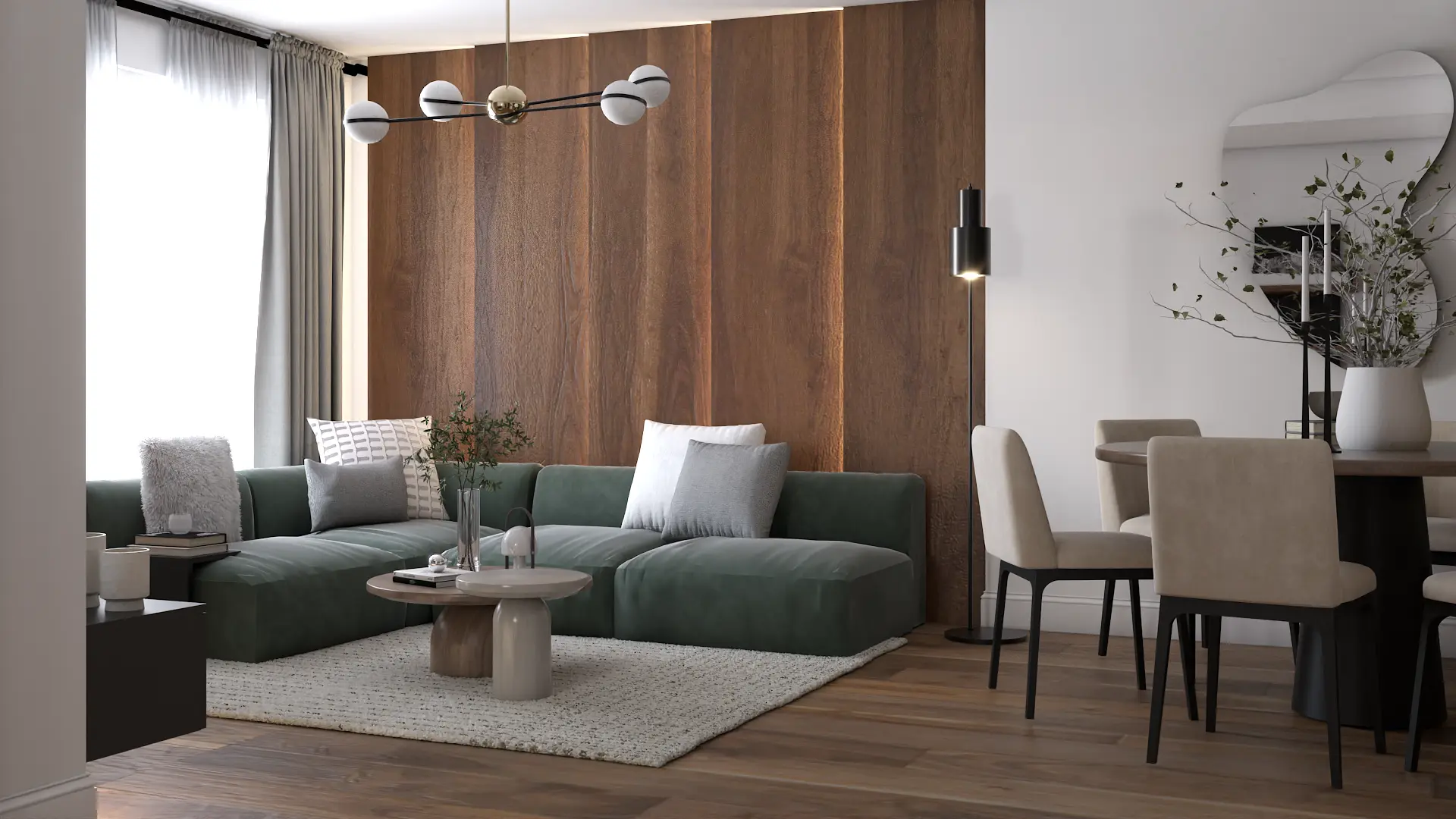
Let me show you what this looks like in practice. A client sent me photos of her open-plan living space. The room felt disconnected and lacked a cohesive seating area. She wanted somewhere comfortable for conversations and relaxing, but also a space that felt warm and grounded.
Looking at her measurements and photos, I saw the opportunity. The open layout needed anchoring. The seating needed to feel intentional, not scattered.
My solution started with a deep green modular sectional positioned to wrap around the conversation area, instantly creating a sense of enclosure without walls. In front of it, I placed a cluster of organic-shaped wooden coffee tables. Their flowing forms soften the geometry of the room while the warm wood tones tie into the flooring.
A dark area rug underneath grounds the entire seating zone, giving the open layout a clear center of gravity. Across the room, floor-to-ceiling mirrored doors bounce light deeper into the space and visually double its size. Overhead, a woven rattan pendant adds texture and draws the eye upward. Plants scattered throughout bring life to the corners.
She received the 3D renders, walked through the 360-degree tour with her partner, and immediately understood how the pieces worked together. Her words: "It finally feels like a real living room."
That is what design development means. Not just making a room look good, but solving the problems you live with every day.
Then I translate all of this into the deliverables: floor plans, 3D renderings, and that 360-degree tour.
Refining Together
Design is collaborative. Your first reaction to a concept reveals preferences that did not come up in our earlier talks. Maybe the layout works perfectly but you prefer a different coffee table. Maybe the colors are right but you want more texture. Maybe you love everything except that one chair.
I include revision rounds in every package. We adjust until you feel confident about the direction. Not just okay with it, but excited about it.
Implementation On Your Terms
The completed package gives you everything you need to bring the design to life. From here, it is in your hands. Some clients buy everything at once. Others spread purchases over several months as budget allows. Some tackle the project themselves. Others hire local help for specific tasks.
I remain available to answer questions throughout. If you find that a specific piece is out of stock, I suggest alternatives. If you need help explaining something to a contractor, I clarify.
What's Included in Your Design Package?
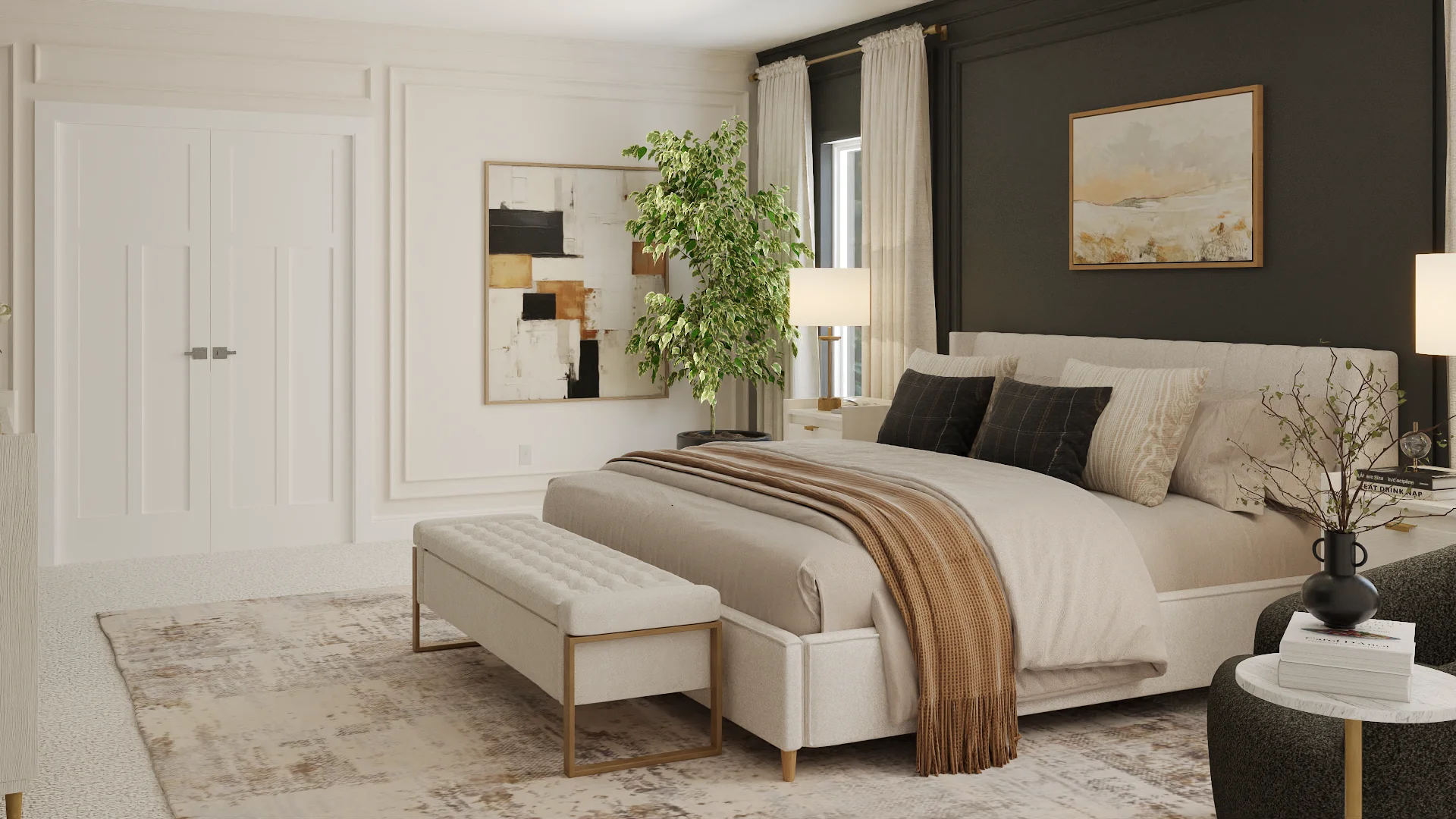
Let me be specific about what this means in practice. Here is an actual bedroom design from my portfolio - the client received this 360-degree visualization before purchasing anything:
You can look in any direction. Check if the nightstand proportions feel right. See how the paint color interacts with your natural light. Share this with your partner and get genuine feedback instead of trying to imagine something from a floor plan.
When you work with me, you receive:
2D Floor Plans
Precise furniture placement showing traffic flow, conversation areas, and functional zones. This is where the real space planning expertise comes through.
3D Renderings
Every room I design is hand-modeled in SketchUp using your exact measurements. I build the space from scratch, place each furniture piece manually, and adjust proportions until everything works together. Then I render the scene to create photorealistic images showing your room from multiple angles.
This is not AI-generated or pulled from a template library. It is custom work, built specifically for your space.
360-Degree Virtual Tours
This is what sets serious online interior design apart from services that just send you flat images and hope you can imagine the rest. Browse our 360° tour gallery to see completed projects across living rooms, bedrooms, kitchens, and more.
Most online design platforms send you static renderings. You squint at a picture and try to imagine if that sofa will really fit. Will the sizes feel right? Will the room flow the way you need? With my 360-degree tours, you can virtually stand in your redesigned room and look in any direction. Turn left to check the bookshelf. Look right at the window treatments. Walk toward the dining area. Share the link with your partner or family so they can explore too.
Here is another example from a recent living room project:
The technology removes guesswork entirely. Clients often tell me they catch details in the 360 tour they would have missed in static images. Like how the light fixture relates to the dining table below it. Or whether there is enough space between the sofa and coffee table to walk comfortably.
For a deeper look at how this technology works and what makes it valuable, see my guide on virtual reality interior design services.
Curated Shopping List
Every item specified with dimensions, pricing, and direct purchase links. I also include alternative options at different price points and notes about which pieces are essential versus optional.
Trade Discounts
I pass along my industry pricing to clients, typically 15 to 25 percent below retail. You purchase directly from retailers using my discount codes. For larger projects, these savings can exceed the design fee itself.
How Much Does Online Interior Design Cost?
I charge $600 per room, which includes everything I described: 3D renderings, 360-degree tours, floor plans, shopping lists with trade discounts, and revision rounds. Use my pricing calculator to get an instant quote for your specific project.
For whole-home projects, pricing at $2 per square foot often provides better value than per-room rates. A 2,000 square foot home would be $4,000 for comprehensive design of every room. I have written a complete guide on whole house online interior design services covering scope and timeline.
Traditional designers in most markets charge $100 to $500 per hour. Or they charge flat fees of $2,000 to $12,000+ per room for similar creative work. Extra fees for ordering furniture, project management, and overseeing installation can easily double or triple the total.
The difference reflects what you are paying for. With online design, you pay purely for design expertise. With traditional design, you also pay for someone to manage the entire execution process.
For a detailed breakdown of different pricing models, hourly rates, and what affects interior design costs, see my comprehensive interior designer cost guide.
How Long Does Online Interior Design Take?
One of the most common questions I hear: how quickly can I have my design? Here is a realistic breakdown.
Single Room Projects: About 2 Weeks
From the moment I receive your photos and measurements, expect your first design concept in approximately 14 days. This includes:
- Building your room in 3D (hand-modeled to your exact dimensions)
- Developing the layout and furniture selection
- Creating photorealistic renderings
- Generating the 360-degree virtual tour
- Compiling your shopping list with pricing and links
After you review, we typically complete one to two revision rounds within a few additional days. Most single-room projects wrap up in three weeks total.
Whole-Home Projects: About 4 Weeks
For comprehensive designs covering multiple rooms, plan on four weeks to first concepts. Larger homes or complex projects may take slightly longer.
The timeline extends because I design each space individually while ensuring they flow together cohesively. A whole-home project is not eight separate room designs; it is one unified vision that happens to span eight rooms.
How This Compares to Traditional Design
Traditional interior design projects often stretch three to six months. Site visits need scheduling. Showroom trips take coordination. Fabric samples ship slowly. Contractors have their own timelines.
Online interior design compresses this time because we cut out the logistics that slow traditional projects down. No coordinating schedules for in-person meetings. No waiting for samples to arrive. No back-and-forth with showrooms.
You receive a complete design package, ready to implement, in weeks rather than months.
Online vs Traditional Interior Design
The distinction is not about quality or creativity. Both deliver professional results. The difference is who does what.
With online interior design, you receive the complete design vision and carry it out yourself. You shop from the curated list, coordinate deliveries, and manage any contractors. With traditional design, your designer handles everything from concept through installation.
Neither approach is better. It depends on how hands-on you want to be and what you are willing to pay for.
Which Approach Fits Your Project?
Online design works well for:
- Single rooms: living rooms, bedrooms, home offices, nurseries, dining rooms
- Entire homes (our most popular service)
- Commercial spaces: offices, restaurants, retail, showrooms
- Contractor partnerships for client visualization and approvals
- New construction or empty spaces
- Second homes or investment properties anywhere in the US
Traditional design makes more sense for:
- Full kitchen or bathroom renovations with permits
- Custom built-ins requiring on-site fabrication
- Projects where you need someone to manage contractors
- Historic homes with unusual architectural constraints
Many projects fall somewhere in between.
If you want a deep comparison of pricing models, hourly rates, and total project costs, see my interior designer cost guide.
Companies like Studio McGee, Havenly, Decorilla, and Debora Interiors have built successful businesses around digital interior design services. These are professional services delivered through modern channels, not budget alternatives.
What Rooms Work Best for Online Interior Design?
Not every room presents the same challenges. Here is how online design works across common project types.
Living Rooms
This is the most common online design project, and it works beautifully. Living rooms are mainly about furniture layout, color choices, and creating zones for conversation and relaxation. All of this translates perfectly to remote design.
The 360-degree tours are especially valuable here because living rooms are where you spend the most time. Being able to virtually stand in the space and look around helps you feel confident before buying.
Bedrooms
Straightforward and well-suited to online design. The main considerations are bed placement relative to windows and doors, nightstand sizes, and lighting that supports both relaxation and reading.
I pay special attention to how natural light enters the room at different times of day. This affects everything from headboard placement to window treatment choices.
Home Offices
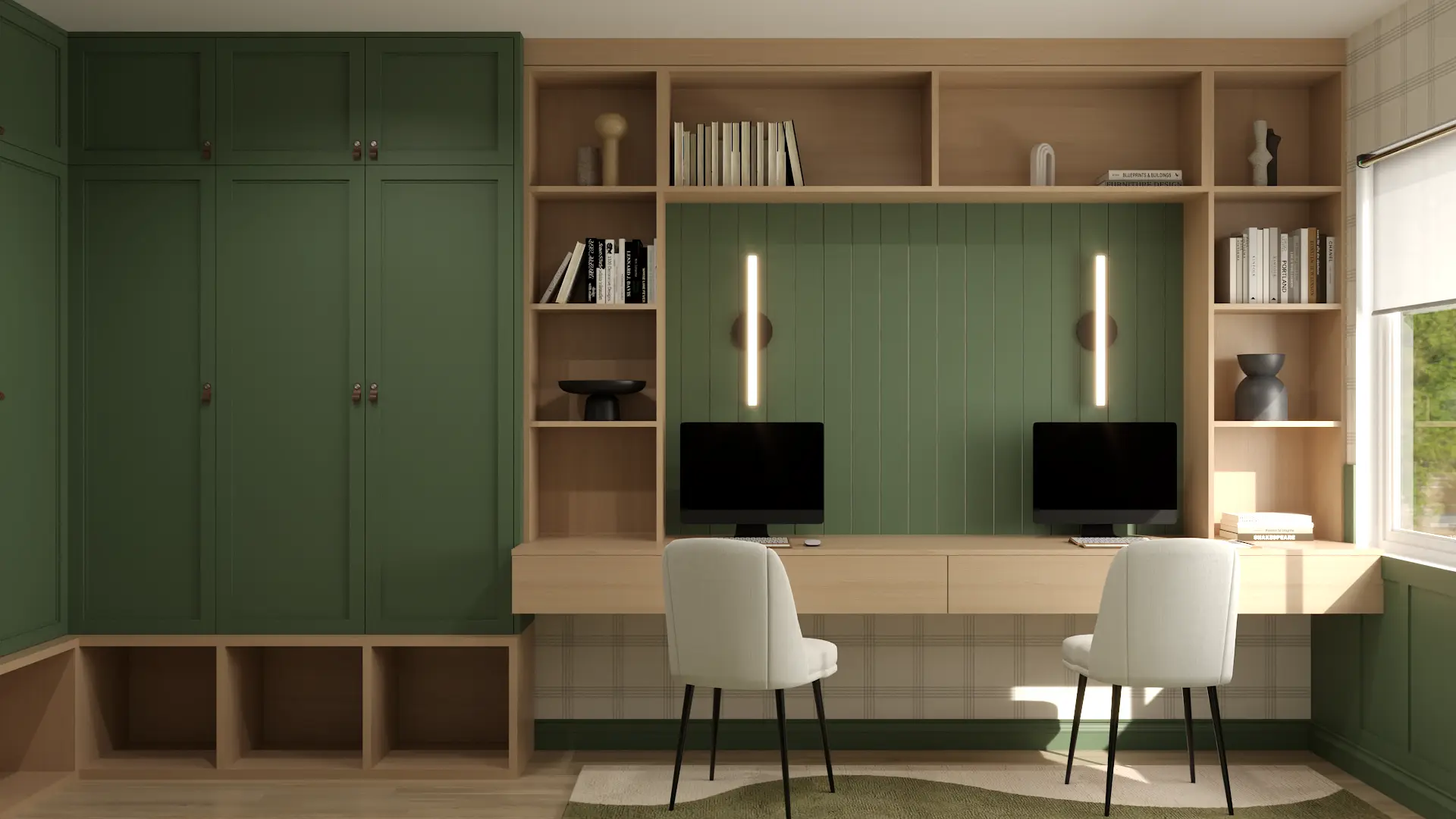
A specialty of mine, especially since 2020. Home offices require balancing how they look with how they function. And you need to consider what appears in your video call background.
I design for productivity. Proper desk height, monitor placement, lighting that flatters on camera, and storage that keeps the space organized. These details matter more than ever when your office is also your Zoom background.
Kitchens
Here is where nuance matters. Kitchen design-only works well through online services. I can help you select cabinet finishes, hardware, countertop materials, lighting fixtures, and layout changes.
What I cannot do remotely is oversee installation or coordinate with contractors during a renovation. If your kitchen project involves tearing out cabinets and running new plumbing, you will need local support. Online design can still provide the vision and specs. You just need someone on the ground to implement them.
Bathrooms
Similar to kitchens. Fixtures, finishes, layout, and aesthetics translate well to online design. Tile installation and plumbing work require local professionals.
For bathroom refreshes that involve new fixtures, paint, lighting, and accessories without major construction, online design works perfectly.
Who Is Online Interior Design Best For?
After 2,000+ projects, I have learned which situations work best with online design.
Online Design Works Well For:
- Furniture and decor projects where you are refreshing a space with new pieces
- Budget-conscious projects where traditional fees would eat too much of your budget
- Locations where quality local designers are hard to find
- People comfortable shopping online and managing deliveries
- Projects that need design direction within weeks, not months
- DIY-minded homeowners who want professional guidance but enjoy hands-on work
- Second homes and investment properties you cannot visit often
Consider Traditional Design If:
- Your project involves major construction or structural changes
- You truly want someone else to handle every detail
- You need custom built-ins that require on-site work
- You have a space with unusual challenges that need someone there in person
What Makes Online Design Projects Succeed
After 2,000+ projects, patterns emerge. Some clients sail through the process and end up with spaces they love. Others hit friction. Here is what separates them.
Accurate Measurements Matter
The furniture I select and the layouts I create are based on your room dimensions. When measurements are accurate, everything fits beautifully. I provide simple guides with diagrams that walk you through exactly what to measure and how. Most clients finish in about 30 minutes.
Be Honest About Your Budget
Clients sometimes understate their budget hoping to see cheaper options. Then they feel let down when the design does not feel luxurious enough. Others overstate it, then cannot afford what I propose.
Tell me your real number. I will design to it and include alternatives at different price points so you have flexibility.
Share Your Inspiration, Even If It Seems Random
You might think your Pinterest board is all over the place. Modern in one pin, traditional in another. That is actually useful info. It shows me what specific elements appeal to you across different styles.
A client once sent me inspiration images that ranged from industrial lofts to coastal cottages. What connected them was the use of warm wood tones against white backgrounds. That was the through-line. I would not have found it without seeing her full range of inspiration.
Know Which Pieces You Are Committed To Keeping
Before our consultation, walk through the room and decide what stays. That heirloom dresser your grandmother left you. The sectional you just purchased two years ago. The art collection you have been building.
Knowing what is fixed helps me design around it. Unclear boundaries lead to revision rounds that could have been avoided.
Common Concerns I Hear (And My Honest Answers)
After thousands of consultations, I know the questions that make people hesitate. Let me address them directly.
"How can you design a room without seeing it in person?"
This is the most common concern, and it is completely valid. The truth is that I work from the same information a traditional designer would gather during a first site visit. I need room dimensions, photos from multiple angles, notes about how you use the space, and your style preferences.
The difference is that you collect this information yourself. I provide detailed guides, and most clients complete everything in about 30 minutes. The photos and measurements give me what I need. The rest comes from our conversation.
What I cannot do remotely is feel the texture of your curtains or notice that your floors creak in one corner. But these details rarely affect furniture layout, color choices, or the key design decisions that transform a room.
"What if the furniture looks different than the renders?"
My 3D renders use manufacturer specifications and actual product images. What you see is what you get. The colors, proportions, and scale in your renders match the real products.
The 360-degree tour lets you study every piece from multiple angles before purchasing. Clients consistently tell me the delivered furniture looks exactly like the renders. This is precisely why I invest time building accurate 3D models rather than using quick mockups.
"I'm not tech-savvy. Can I still do this?"
Absolutely. You need to take photos with your phone, measure your room with a tape measure, and navigate a video call. If you can text and use email, you have all the technical skills required.
The 360 tours I deliver work in any web browser. No special software. No VR headset. Just click and drag to look around.
"What happens if I can't find a specific piece you recommended?"
Furniture availability changes constantly. A sofa I specify might sell out before you are ready to purchase. This is why every shopping list includes alternative options at similar price points.
If something major goes out of stock, reach out. I will suggest replacements that maintain the design intent.
"Is online design really as good as working with someone in person?"
For furniture and decor projects, honestly, yes. The creative expertise is the same. What differs is who handles the execution.
Traditional design has an advantage for construction-heavy projects that need on-site coordination. Think custom cabinetry, major renovations, or spaces with unusual architectural challenges. For those situations, having someone physically present matters.
For refreshing a living room, designing a home office, or furnishing a new home, online interior design delivers professional results at a fraction of the cost.
How to Get Started
The best way to understand online interior design is to experience the consultation process yourself. We spend thirty minutes discussing your project, and you walk away understanding exactly what is possible for your space, whether you work with me or not.
No obligation. No pressure. Just a conversation about your home and what you want it to become.
Have more questions? Check my frequently asked questions page or book a consultation to discuss your specific situation.
Book a free consultation to discuss your space. We will walk through your goals and determine the best approach for your project.
Book Free ConsultationFrequently Asked Questions
Answers drawn from 2,000+ projects and real client conversations.
What is online interior design?
Online interior design is a remote service where a professional designer creates your room design without visiting your home. You share photos and measurements, collaborate through video calls, and receive 3D renderings, floor plans, and a shopping list you can implement yourself.
How much does online interior design cost?
Online interior design typically costs $199 to $999+ per room, compared to $2,000 to $12,000+ for traditional designers. The lower cost comes from eliminating travel, site visits, and project management overhead.
Is online interior design worth it?
Yes, if you want professional design guidance at a lower cost and are comfortable handling shopping and setup yourself. You get the same expertise, just delivered digitally.
What do you get with online interior design?
Most packages include 2D floor plans, 3D renderings, and a curated shopping list with direct purchase links. Premium services add 360-degree virtual tours and revision rounds.
How long does online interior design take?
Most online design projects take 2 to 4 weeks from start to finish. Traditional in-person design often takes 3 to 6 months.
Can online interior designers work with my existing furniture?
Absolutely. During your consultation, you tell me which pieces to keep. I design around them and select new items that complement what you already have.
How do I measure my room for online interior design?
You measure wall lengths, ceiling height, and the location of windows and doors using a standard tape measure. I provide detailed guides with diagrams. Most clients complete measurements in about 30 minutes.
Do I need professional photos for online interior design?
No, smartphone photos work perfectly. Take shots from each corner of the room, capture any architectural details, and photograph furniture you want to keep. Natural daylight helps but is not required.