
Home Theaters
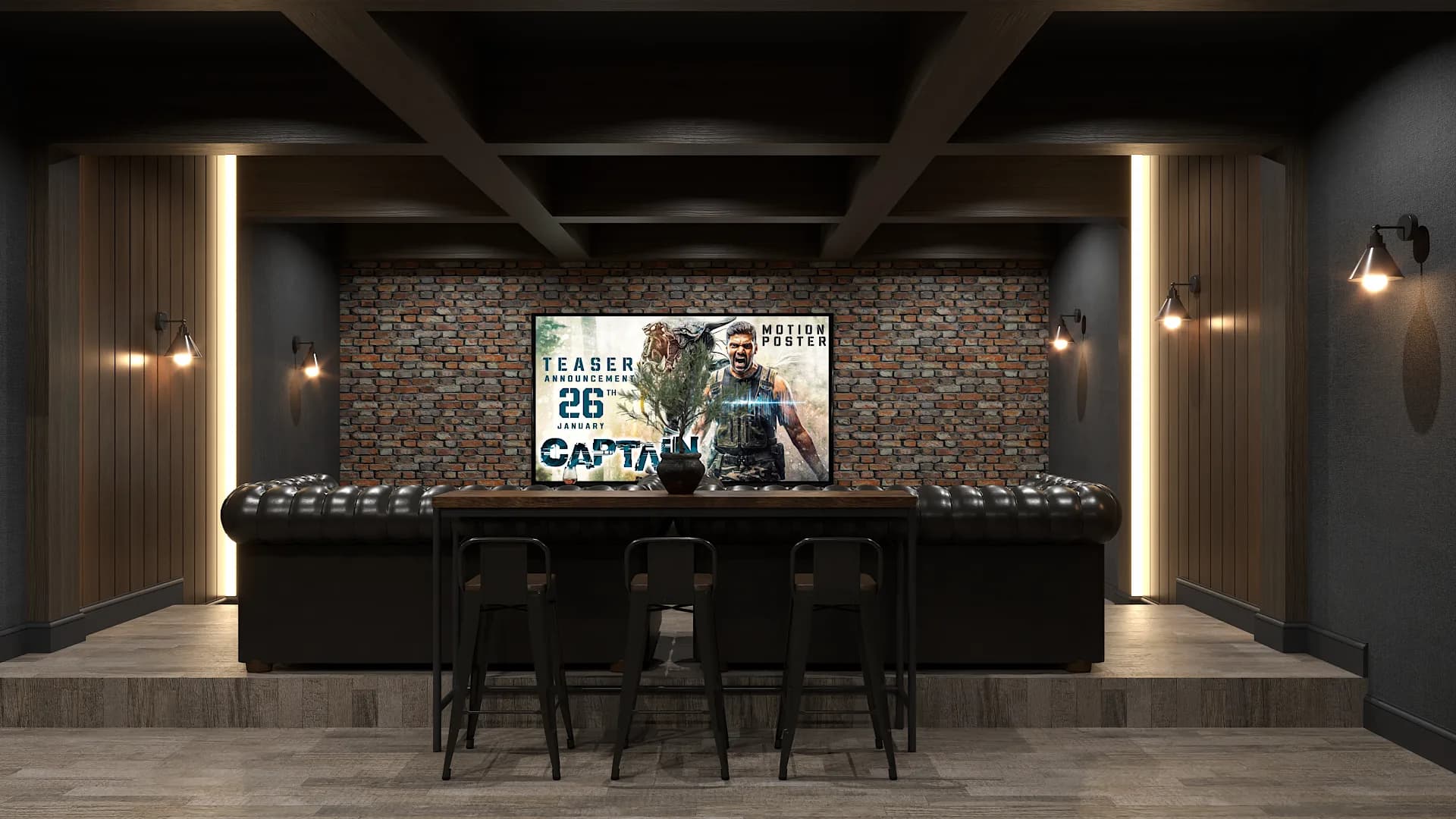
Home theater and media room projects designed for movie nights, game days, and entertaining. From dedicated cinema rooms to lounge bars with projection screens, we plan lighting, acoustics, seating layout, and bar integration so the 360 VR walkthrough shows the full experience before anything is purchased.
Explore Other Room Types
About This Room Type
Home Theater Design Ideas
A home theater is one of the few rooms where lighting, acoustics, seating ergonomics, and entertainment technology all need to work together from day one. Getting any one of those wrong ruins the experience.
Browse cinema lounges, media rooms, and dedicated theater builds. Each project shows how screen wall treatments, LED accent lighting, bar integration, and seating layouts create a space built for movie nights, game days, and entertaining.
Explore Our Services
From concept to curated shopping list, we handle everything virtually.
Learn about our home theaters design serviceDesign Tips
Home Theater Design Tips
Flank the Screen With LED Accent Panels
Vertical wood slat panels with warm LED strip backlighting on either side of the screen reduce eye strain during viewing and create cinema atmosphere without any structural changes. This is the single highest-impact upgrade for any media room.
Add a Bar Counter Between Seating Zones
A counter with bar stools positioned behind the main sofa creates a casual viewing layer. Guests can grab a drink and watch without committing to the couch, and the bar becomes the social hub during intermissions.
Use Dark Walls and Ceilings to Kill Light Bounce
Charcoal, slate blue, or deep brown walls absorb reflected light from the screen instead of bouncing it around the room. White or light walls wash out projected images and reduce perceived contrast.
Layer Your Lighting on Dimmers
Wall sconces, LED strips, and ceiling cove lights should all be on independent dimmers. Full brightness for cleaning and socializing, 20% for casual viewing, and 5% (sconces only) for immersive movie watching.
Planning Guide
Home Theater Planning Factors
Room Dimensions and Screen Size
The ideal viewing distance is 1.5 to 2.5 times the diagonal screen size. A 120-inch screen needs 15-25 feet of viewing distance. We plan screen size based on your room depth so every seat is in the optimal range.
Sound Isolation From Adjacent Rooms
Bass frequencies travel through walls, floors, and ceilings. If the theater shares a wall with a bedroom, you need decoupled drywall, acoustic insulation, and solid-core doors. We flag sound isolation requirements before construction begins.
Ventilation for Enclosed Rooms
Sealed media rooms with blackout treatments trap heat from projectors, amplifiers, and bodies. A dedicated HVAC run or inline fan keeps the room comfortable during long viewing sessions without introducing duct noise.
Seating Riser Height for Tiered Layouts
If your theater has two or more rows, the rear row needs a riser (typically 12-18 inches) so every seat has an unobstructed view. We calculate riser height based on the screen mounting position and row spacing.
Common Questions
Frequently Asked Questions
Want This Look in Your Home?
Book a free consultation and we will help you recreate this design tailored to your space and budget.
Want a Home Theater Like This?
Our senior interior designers can create a custom design tailored to your space and style. Start with a free consultation.